By Matt Lorenz
November 5, 2026
Routine maintenance is essential for keeping commercial fleets safe, efficient, and dependable. For businesses that rely on semi-trucks to transport goods, even minor mechanical issues can lead to higher operating costs, unexpected downtime, and missed delivery deadlines. Wheel alignment is one maintenance task that can make a substantial difference in vehicle performance and long-term expenses. By investing in regular semi alignment repair, fleet managers can reduce tire wear, improve fuel economy, and help extend the service life of their equipment.
Although alignment problems may develop gradually, their effects can accumulate quickly across a fleet. A truck that operates with improperly aligned wheels may consume more fuel, require premature tire replacement, and become harder to control. Establishing a consistent inspection schedule helps businesses identify these problems before they become expensive repairs.
What Is Semi Alignment Repair and Why Is It Important?
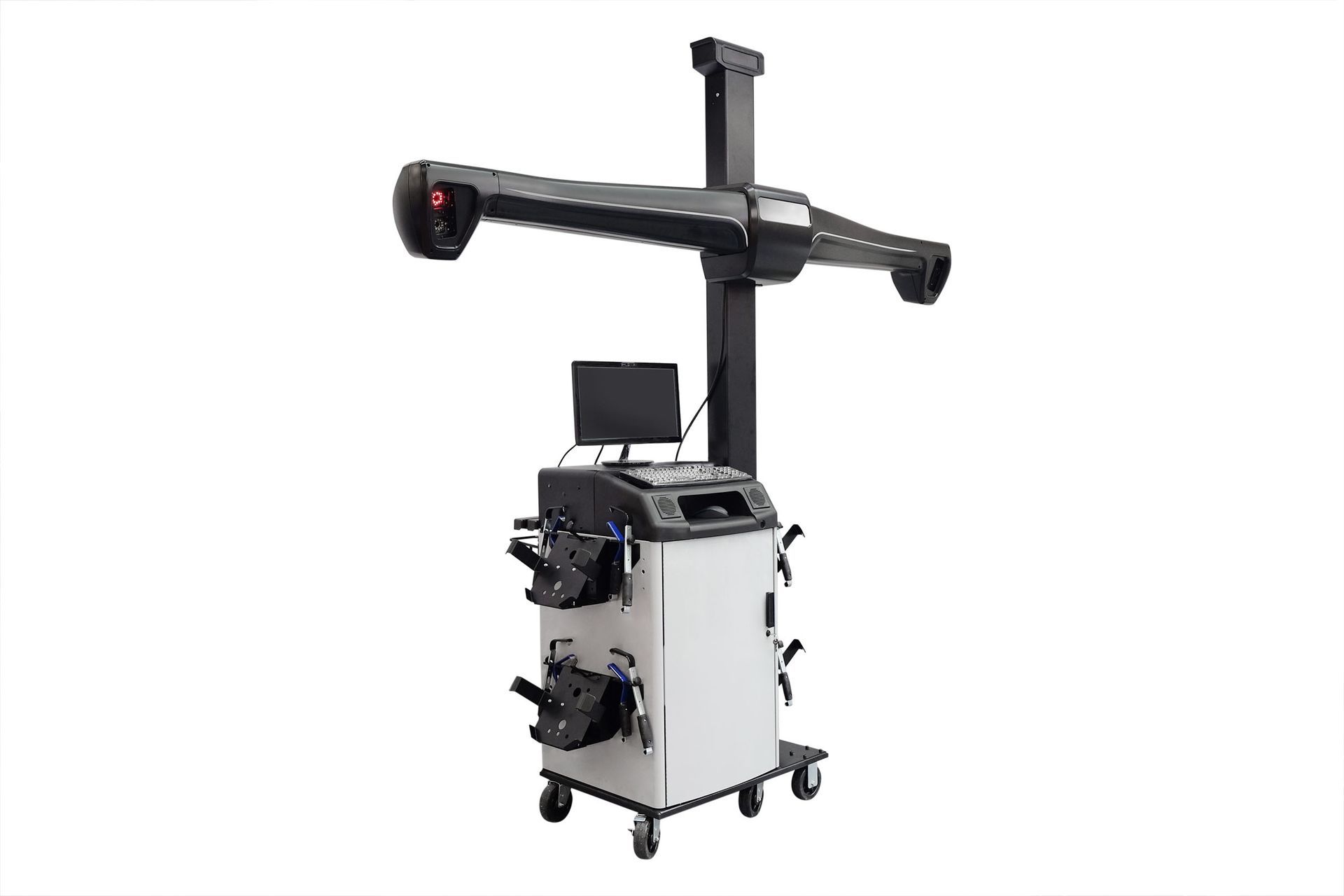
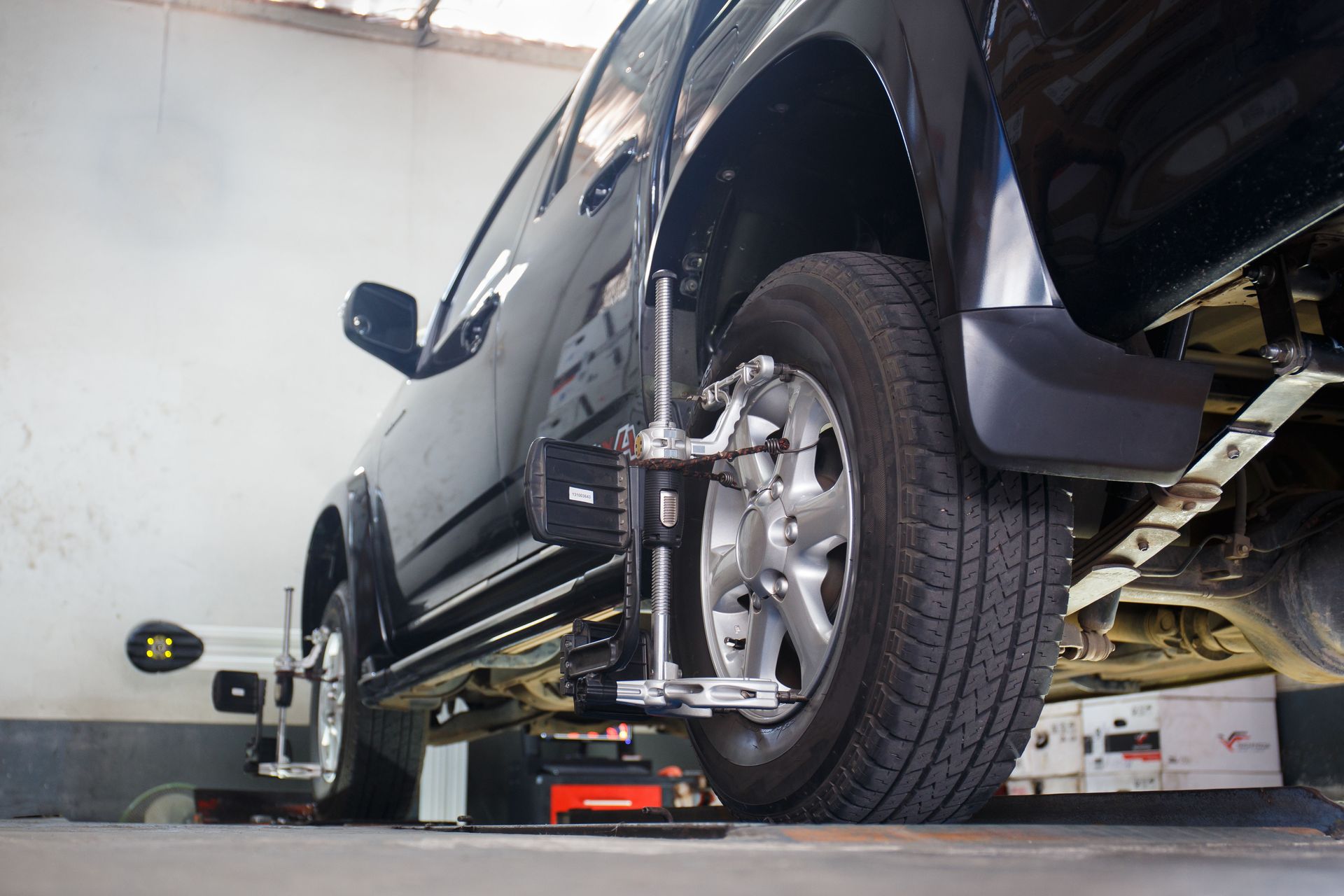
Semi alignment repair involves correcting the angles and positioning of a truck's wheels, axles, and related steering components to meet manufacturer specifications. Proper alignment helps ensure that tires maintain the appropriate contact with the road and that the vehicle travels in a straight, predictable path. For commercial trucks that regularly carry heavy loads over long distances, maintaining these specifications is particularly important.
Several factors can contribute to alignment problems, including rough road surfaces, potholes, heavy cargo, worn suspension components, and the gradual effects of everyday driving. Even a relatively small change in alignment can affect how a truck handles and how evenly its tires wear. If left unaddressed, these issues can create additional strain on steering and suspension components.
Professional semi alignment repair helps restore appropriate wheel positioning and identify mechanical problems that may contribute to recurring alignment issues. Technicians can inspect suspension components, steering linkages, and other relevant systems before making the necessary adjustments. This approach addresses the underlying causes of alignment problems rather than simply correcting their symptoms.
How Often Should a Fleet Undergo Alignment Checks?
The ideal alignment inspection schedule depends on vehicle usage, road conditions, cargo weight, and manufacturer recommendations. Trucks traveling thousands of miles each month encounter more opportunities for alignment problems than vehicles operating on predictable routes with relatively smooth pavement. Fleet managers should account for these differences when developing maintenance schedules.
According to AutoZone, as a general guideline, most vehicles benefit from a wheel alignment every 12,000 to 15,000 miles or approximately once a year. Commercial trucks may require more frequent inspections depending on their operating conditions, mileage, and maintenance history. For many fleets, checking alignments at least twice a year provides a useful starting point, although individual vehicles may need attention sooner.
Mileage-based inspections are helpful, but they should not replace ongoing monitoring. Drivers should report unusual steering behavior, changes in handling, or visible tire wear as soon as they notice them. An inspection may also be appropriate after a truck strikes a substantial pothole, experiences a collision, or undergoes steering or suspension repairs.
What Are the Signs That a Vehicle Needs an Alignment?
Recognizing alignment problems early is essential for minimizing their impact on commercial vehicle operations. Although some symptoms may initially appear minor, they can indicate conditions that gradually damage tires or compromise handling.
One common warning sign is a truck that consistently pulls to one side while traveling on a relatively level road. Drivers may find themselves making constant steering corrections to maintain a straight path. While road slope, tire pressure differences, and other mechanical issues can also cause pulling, persistent symptoms warrant professional inspection.
Uneven tire wear is another important indicator. Tires may wear more heavily along their inner or outer edges, develop unusual wear patterns, or deteriorate faster than expected. Because commercial truck tires represent a significant operating expense, identifying these patterns early can help prevent premature replacement.
A crooked steering wheel when driving straight may also indicate an alignment issue. Drivers might additionally notice changes in steering response, reduced directional stability, or unusual vibrations. However, vibrations can result from tire imbalance, damaged tires, or worn components, so they should not automatically be attributed to alignment.
When these symptoms appear, arranging semi alignment repair promptly can help prevent additional wear and restore predictable handling. Drivers should document their observations and report when the symptoms began, particularly after an impact or maintenance procedure. Technicians can then inspect the vehicle, identify the underlying cause, and recommend appropriate corrective work.
How Do Alignments Affect Fuel Efficiency?
Fuel is one of the largest recurring expenses for many commercial fleets. Even small improvements in fuel economy can produce meaningful savings when multiplied across numerous trucks traveling substantial distances each year. Wheel alignment is one factor fleet managers can address to support efficient vehicle operation.
When wheels are improperly aligned, tires may not roll in the intended direction. This can create additional rolling resistance as the tires scrub against the road instead of tracking smoothly. The engine must overcome that resistance, potentially increasing fuel consumption over time.
Proper alignment helps reduce unnecessary tire friction and supports more efficient movement. Although alignment alone cannot eliminate every source of fuel waste, it can complement other fuel-saving practices, including maintaining correct tire pressure, reducing unnecessary idling, and encouraging consistent driving habits.
For example, a fleet operating dozens of trucks on regional delivery routes may accumulate substantial annual mileage. If several vehicles experience alignment problems, the combined effect of increased resistance and inefficient tire wear can become a recurring expense. Addressing these issues through scheduled inspections and timely semi alignment repair helps fleet managers control preventable operating costs.
What Are the Costs Associated With Regular Alignment Maintenance?
Alignment maintenance requires an upfront investment in inspections, diagnostic work, and adjustments. For fleet operators managing tight budgets, these expenses may seem less urgent than immediate mechanical repairs. However, evaluating alignment solely by its initial price overlooks the potential costs of neglect.
Premature tire replacement is one of the most direct financial consequences of poor alignment. Commercial tires are designed to deliver substantial mileage, but uneven wear can shorten their useful lives. Replacing tires earlier than necessary increases purchasing and installation expenses while creating additional labor demands.
Fuel consumption is another consideration. If misaligned wheels increase rolling resistance, a truck may require additional fuel to cover the same distance. Across a large fleet, even modest inefficiencies can accumulate into significant annual costs. Timely
semi alignment repair helps address one potential source of unnecessary fuel use.
Unexpected downtime can create additional financial pressure. A truck taken out of service for avoidable tire or steering problems may disrupt schedules, delay deliveries, and require dispatchers to rearrange routes. Preventive maintenance helps reduce the likelihood of these disruptions by identifying developing issues before they escalate.
Fleet managers can evaluate the financial benefits of alignment programs by tracking tire mileage, fuel consumption, repair expenses, and vehicle downtime. Comparing these figures across inspection periods can reveal whether maintenance schedules are effective. It is also important to consider the condition of suspension and steering components, since correcting alignment without repairing worn parts may lead to recurring problems.
Routine semi alignment repair is an important part of effective fleet maintenance. Properly aligned wheels support predictable handling, help tires wear more evenly, and can reduce unnecessary rolling resistance. These benefits contribute to safer operations, more consistent vehicle performance, and better control over long-term maintenance expenses. If your truck needs an alignment, reach out to Milwaukee Spring & Alignment today!