October 5, 2026
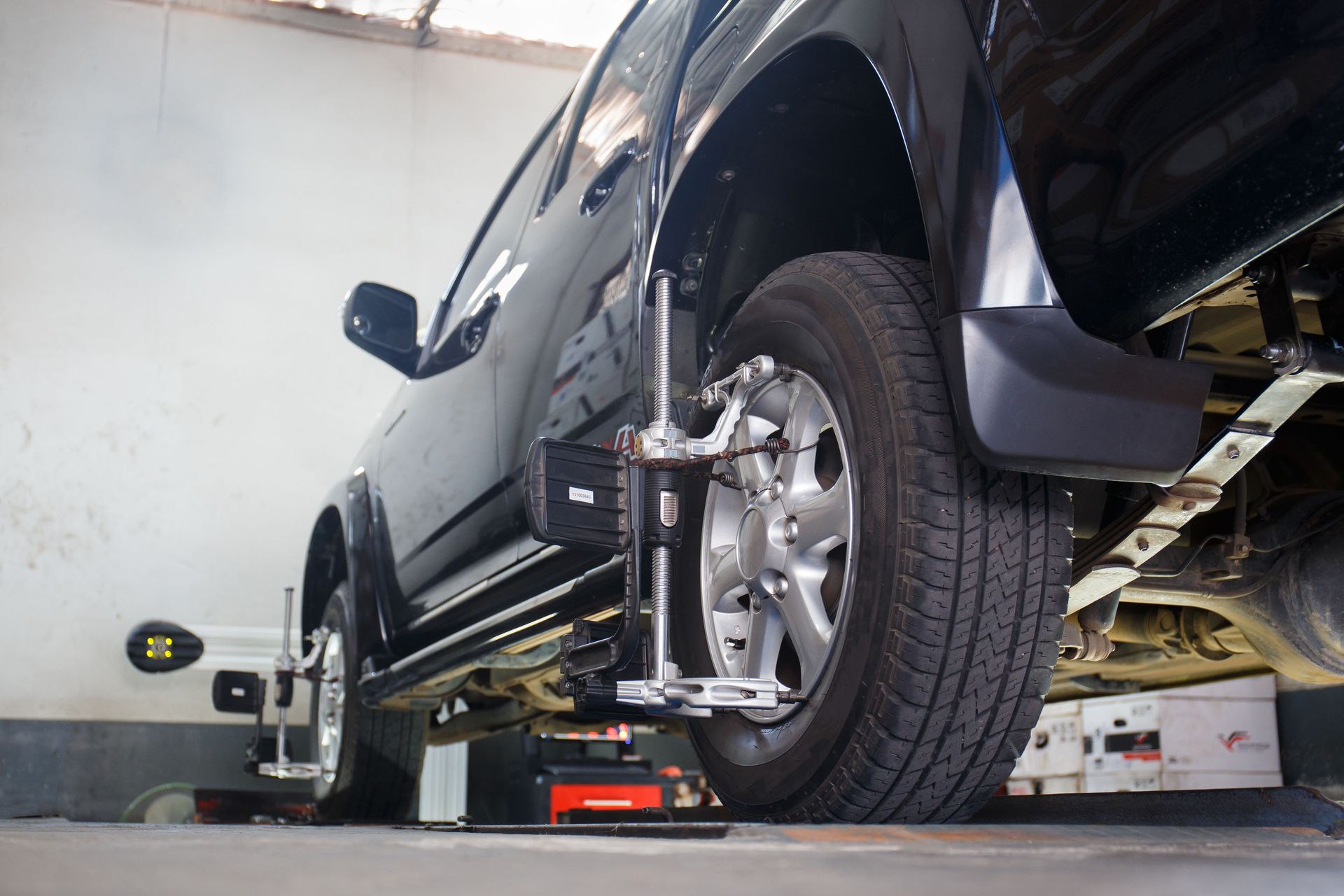
Wheel alignment may seem like a small adjustment, but even a slight change in suspension geometry can have expensive consequences for commercial trucks. A vehicle that is only one degree out of alignment may still travel down the road, yet that small deviation can affect tire wear, fuel consumption, steering, suspension components, and overall operating costs. For fleets and independent truck operators, those expenses can accumulate quickly when vehicles travel thousands of miles each month. Truck alignment repairs help correct the angles that determine how tires contact the road, helping the vehicle track properly and reducing unnecessary strain on other components. Understanding how minor alignment problems create larger expenses can help truck owners recognize why routine inspections and timely correction are important parts of vehicle maintenance.
Increasing Tire Wear Prematurely
Tires are among the most obvious places where alignment problems become expensive. When wheels are not positioned correctly, the tread may not contact the road evenly. Instead, additional pressure can be placed on one edge or section of the tire. As the truck travels, that concentrated friction gradually removes tread from the affected area. A tire that might otherwise provide many more miles of service can require replacement significantly sooner simply because the vehicle has been operating with incorrect alignment angles.
According to Yahoo Finance, one indication of improper wheel alignment is uneven tire wear, with one tire showing greater or irregular wear compared with the others. For trucks that use multiple large commercial tires, replacing even one tire prematurely can create a noticeable maintenance expense, and problems affecting several axles can multiply the cost. Truck alignment repairs can address the underlying geometry before irregular wear consumes usable tread. Regular tire inspections can also help operators identify unusual patterns early, giving them an opportunity to investigate alignment before replacement becomes necessary.
Increasing Fuel Consumption Gradually
Misaligned wheels can also create additional rolling resistance. When tires are pointed slightly away from their intended direction, they may scrub against the pavement instead of rolling freely. The difference can be subtle enough that a driver does not immediately notice it, but the engine must still work harder to keep the truck moving at the desired speed. Over a short trip, the additional fuel use may seem insignificant. Across tens of thousands of miles, however, even a small loss in efficiency can become costly.
Truck alignment repairs can help reduce unnecessary resistance by restoring wheel angles closer to their intended specifications. Fuel expenses are already a major operating consideration for commercial vehicles, which makes preventable inefficiency especially important to address. The cost becomes even more significant across a fleet because a minor increase in consumption on each truck can add up over months of operation. Maintaining proper alignment cannot control every factor affecting fuel economy, but it can eliminate one source of avoidable drag and help the vehicle operate more efficiently.
Increasing Suspension Stress Over Time
A wheel alignment problem rarely affects only the tires. Steering and suspension components work together to keep the vehicle stable and maintain proper wheel position. When alignment angles are incorrect, parts such as tie rods, ball joints, bushings, bearings, and other components may experience forces they were not intended to handle continuously. These stresses can contribute to accelerated wear, especially when the truck regularly carries heavy loads or travels over uneven roads.
Delaying truck alignment repairs may therefore create expenses beyond the alignment itself. A relatively straightforward adjustment can become more complicated if worn suspension or steering parts eventually require replacement. Technicians may also need to address damaged components before the truck can be aligned properly. Preventive inspections can help identify looseness, wear, or damage while problems are still manageable. Correcting alignment early can reduce unnecessary stress throughout the system and support longer service life for other components that are much more expensive to replace.
Increasing Driver Fatigue and Steering Effort
Drivers often notice alignment problems through the steering wheel before visible mechanical damage appears. A truck may pull consistently to one side, require frequent corrections to remain centered in the lane, or have a steering wheel that sits at an unusual angle while traveling straight. These symptoms force the driver to make repeated adjustments during normal operation. A minor steering issue may seem manageable during a short drive, but it can become far more noticeable during long routes.
Truck alignment repairs can restore more predictable tracking and reduce the constant corrections associated with certain alignment problems. This matters because commercial drivers may spend many hours behind the wheel in a single day. A vehicle that naturally tracks straight is generally easier to control than one that continually pulls or wanders. Alignment is only one factor affecting steering behavior, so technicians may also inspect suspension, tires, or steering components when symptoms appear. Addressing the cause can improve vehicle behavior while preventing the driver from compensating for a mechanical problem mile after mile.
Increasing Downtime and Repair Expenses
Maintenance costs involve more than parts and labor. When a commercial truck is unavailable, it may also lose productive operating time. Premature tire replacement, suspension repairs, steering work, or roadside problems can remove the vehicle from service unexpectedly. For a business that depends on scheduled deliveries, hauling, or service routes, unplanned downtime can disrupt operations and require another vehicle or driver to cover the workload. These indirect costs can make a preventable alignment problem considerably more expensive than the original service would have been.
Scheduling truck alignment repairs when early symptoms appear can help businesses address problems under more controlled conditions. Instead of waiting until damaged tires or worn components require immediate attention, operators can arrange service around existing maintenance schedules. Planned inspections also provide technicians with an opportunity to identify other issues before the vehicle returns to regular use. While no maintenance strategy can eliminate all downtime, responding early to alignment concerns can reduce the likelihood that a relatively minor issue develops into a larger repair that keeps the truck out of operation longer.
Increasing Costs Across an Entire Fleet
A single misaligned truck can create hundreds or thousands of dollars in additional expenses over time, depending on how far it travels and how severely components are affected. In a fleet, the financial impact can be much larger. If several vehicles have alignment problems, the business may experience increased tire purchases, higher fuel consumption, more suspension repairs, and additional downtime at the same time. Small inefficiencies that might seem insignificant on one vehicle become much more substantial when multiplied across many trucks.
Routine truck alignment repairs and inspections can therefore play an important role in controlling fleet maintenance expenses. Records of tire wear, alignment measurements, suspension work, and driver complaints can help maintenance teams recognize recurring patterns. Trucks that regularly travel over rough roads, carry demanding loads, or experience impacts with potholes and curbs may require closer attention. Monitoring alignment as part of a broader preventive maintenance program allows fleet operators to address small deviations before they affect multiple components and create higher operating costs.
Being only one degree out of alignment may not seem serious, but the financial consequences can spread throughout a commercial truck. Uneven tire wear can shorten replacement intervals, added rolling resistance can increase fuel use, steering and suspension parts can experience additional stress, and poor tracking can require greater driver effort. When these issues eventually lead to repairs or downtime, the cost of ignoring a small alignment problem can be far greater than correcting it early. Truck alignment repairs can help protect tires, suspension components, fuel efficiency, and overall vehicle operation while giving owners and fleet managers an opportunity to address problems before they become more expensive. If your truck is pulling, showing uneven tire wear, or displaying other signs of alignment trouble, contact Milwaukee Spring & Alignment.